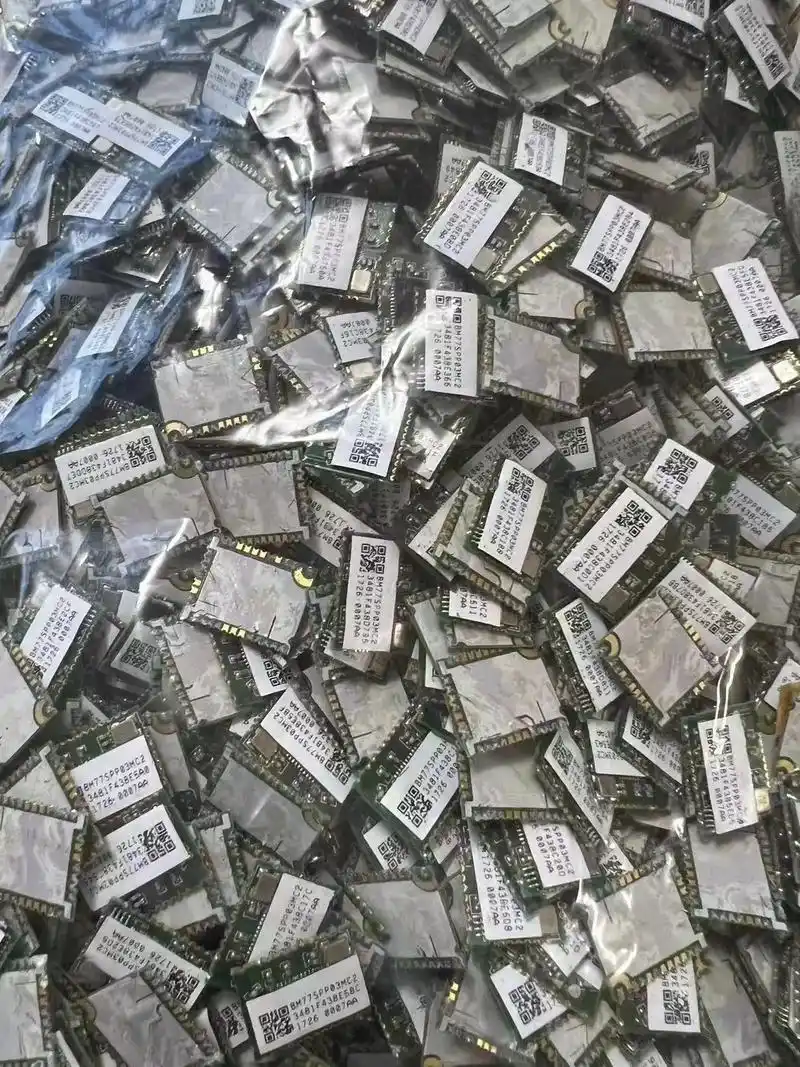
Recycling of semiconductor chips from the exit of Hong Kong
In simple terms, "retirement of semiconductor chips from Hong Kong" refers to the process of recovering, sorting, testing, and reusing semiconductor chips that have been returned from overseas due to various reasons, or those that failed to clear customs at the Chinese mainland customs and need to be returned. This is an industrial chain that is carried out in compliance with regulations.
This process involves international trade, customs regulations, knowledge of electronic components, and an understanding of the second-hand/refurbished chip market.
1. What kind of chips would be classified as "retired and recycled goods"?
These chips are not usually discarded items; rather, they are "problematic goods" that fail to undergo proper import customs clearance due to various procedures, quality, or commercial reasons. The sources mainly include:
1. Logistics and customs clearance issues:
· Document mismatch: The invoice, packing list, origin certificate, etc. are missing or incorrect.
· False declaration: Incorrect information was provided regarding the product name, model, and value, with the intention of evading taxes.
· License issue: Concerning controlled products or brands, the necessary import licenses are lacking.
· Intellectual property infringement: Counterfeit or imitation brand chips were seized by the customs.
2. Commercial and quality reasons:
· Order cancellation/alteration: After the goods have been dispatched, if the buyer cancels the order or changes the model, the goods will remain in the port.
· Quality dispute: Upon inspection upon arrival, it was found that the batch was defective, did not meet the parameters, or was counterfeit. The buyer refused to accept it.
· Stagnant inventory return: Overseas distributors will return unsold inventory that has not been sold for a long time to the superior agent or processing center in Asia (located in Hong Kong).
3. Other channels:
· Factory surplus materials: Remaining, expired or engineering sample chips from overseas electronic product manufacturing plants.
· Disassembly of obsolete equipment: Chips removed from discarded imported equipment were attempted to be imported as spare parts, but the procedures were incomplete.
Since Hong Kong is a free port with no tariffs and has a well-developed logistics system, a large number of such "problem chips" will first gather in Hong Kong, and then be processed by professional companies. Therefore, they are called "retired" chips.
Two. How does the "recycling" industry chain operate?
Core环节: Testing and Grading
This is the key factor determining the value of the chip. Professional recyclers will use expensive testing equipment (such as programmers, test fixtures, and ATE devices) to test the chip:
· Visual inspection: Check if the pins are oxidized and look for any signs of re-grinding.
· Electrical testing: Testing basic functions, read/write speed, power consumption, etc.
· Board testing: Run it on the actual circuit board to verify its long-term stability.
Based on the test results, the chips will be classified, such as "Brand New Original", "Refurbished as New", "Tested OK", "Used", "Downgraded Product", etc. The price differences among different grades are significant.
2. Market Direction
· Secondary market distribution: After being tested and repackaged, the chips will enter electronic markets such as Huaqiangbei or online platforms, and be sold to small and medium-sized manufacturers, repair shops, or developers. These chips are usually priced lower than the original factory products, meeting the market's demand for low-cost components.
· Specific industry applications: For products with moderate performance requirements and cost-sensitive features (such as low-end consumer electronics, toys, lighting, etc.), these chips have a considerable market.
· Spare parts and maintenance: Used for repairing imported equipment, replacing expensive original factory spare parts.
III. Important Risks and Precautions
This is an industry with deep waters and multiple risks involved:
1. Legal and Compliance Risks:
· Smuggling risk: Attempting to bring "retired Hong Kong goods" into the mainland through illegal means (such as smuggling or false declaration) will result in severe penalties.
· Intellectual property risk: Re-selling counterfeit refurbished chips may expose one to civil lawsuits from the original manufacturer.
2. Quality and Technical Risks:
· Passing off inferior products as good ones: Scrap chips are ground and re-labeled before being sold as new products.
· Poor performance: The chip may come from an inferior batch or has reached the end of its lifespan. It is prone to failure in harsh environments.
· Model confusion: A batch of goods contains chips of different years, grades, and even models, making the reliability of the product impossible to guarantee.
3. Business Risks:
· Unidentified source: No complete traceability documents can be provided. This is a fatal defect for products that require compliance certifications (such as automobiles, medical equipment).
· Supply instability: The supply is entirely dependent on occasional market availability and cannot guarantee long-term stable supply. It is not suitable for large-scale production projects.
For buyers (such as manufacturers) who are in search of such chips:
· Clearly defined purpose: This should only be considered in non-critical products where costs are extremely sensitive and the consequences of failure are not severe.
· Rigorous testing: A strict incoming material inspection process must be established, and full or a large proportion of samples should be randomly inspected.
· Select reliable suppliers: Partner with recyclers who have a good reputation and can provide certain test reports.
· Avoid key products: Never use them in fields with high reliability requirements such as automobiles, healthcare, aerospace, and industrial control.
For enterprises that wish to handle such materials:
· Prioritize legality and compliance: All transactions must be handled through formal customs declaration or return procedures. Do not take any risks.
· Seek professional partners: Collaborate with professional electronic waste recycling companies or chip recycling firms that possess formal environmental protection qualifications and have testing capabilities, to maximize residual value and fulfill environmental protection responsibilities.
In summary, "retail of semiconductor chips from Hong Kong" is a specialized market that operates in a gray area. It not only handles "problem materials" generated in international logistics and trade, meeting the demand of some markets for low-cost components, but also is fraught with quality, legal and business risks. Engaging in this business requires extremely high professional knowledge and a strong sense of risk awareness.
Hong Kong Tel: 852-52664790. We are looking forward to your call and are eager to jointly embark on a new chapter where environmental protection and value coexist!