What is the environmental recycling of electronic factory scrap? Which factories are suitable for it?
I. Basic Explanation of the Environmental Recycling of Electronic Factory Scrap
(I) Definition of Electronic Factory Scrap
Electronic factory scrap, referred to as scrap material in the customs processing trade supervision system, refers to waste materials generated by processing trade enterprises using bonded imported electronic raw materials and components for production processes such as surface mount technology (SMT), assembly, circuit board cutting, metal stamping, and packaging, within the customs-approved unit consumption standard, and which cannot be reused for processing the finished products exported under this contract.
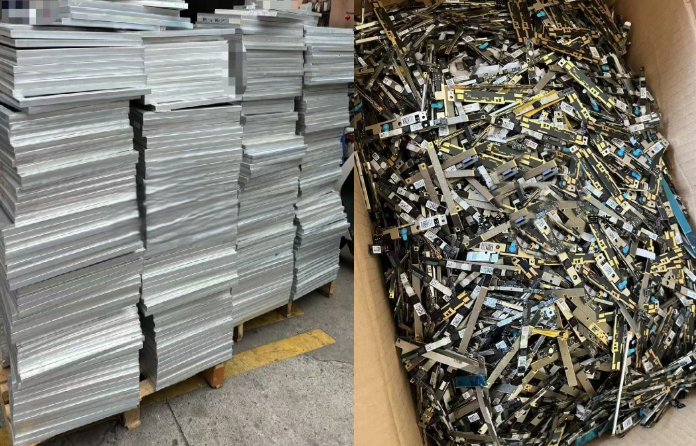
The scope of materials includes PCB circuit board scrap, waste copper and aluminum foil, gold/silver plated leads, waste cables, solder slag, plastic sprue, scrap chips, defective semi-finished products, cutting fragments, metal stamping scraps, scrap IT accessories, etc.; it also covers defective products that cannot be re-exported under the ledger, and stagnant scrapped bonded electronic materials, all of which are bonded waste materials subject to customs supervision.
These materials often contain heavy metal pollutants such as lead, cadmium, and mercury. Improper disposal, private dismantling, and illegal domestic sales all trigger dual regulatory risks from mainland environmental protection and customs. Simultaneously, the materials contain recyclable valuable metals such as copper, gold, silver, and palladium, possessing resource recycling value.
(II) Complete Definition of Return-to-Hong Kong Environmental Recycling
Return-to-Hong Kong environmental recycling of electronic factory waste is a standardized cross-border disposal model for the compliant handling of bonded electronic waste. According to relevant customs regulations on processing trade, enterprises declare the return of bonded electronic waste to Hong Kong through land ports. The waste is then handed over to a recycling agency with a valid license from the Hong Kong Environmental Protection Department to complete the entire process of professional sorting, harmless dismantling, metal refining, and compliant solid waste disposal. Upon completion, a complete set of environmental disposal certificates and export customs declaration documents are issued. Enterprises use these documents to complete the processing trade manual/electronic ledger verification.
The entire process is governed by the regulations of both regions: In mainland China, export declarations are completed according to the *Customs Law* and the *Regulations on the Management of Processing Trade Scrap Materials*; in Hong Kong, the *Waste Disposal Ordinance* requires corresponding environmental permits for the import, export, storage, and recycling of waste materials. The entire process controls the flow of waste materials, preventing their return to the mainland or illegal dumping, thus balancing customs verification compliance with the dual goals of harmless treatment of pollutants and resource recycling.
(III) Key Differences Between Returned Waste to Hong Kong and On-Site Disposal in Mainland China
1. Tax and Fee Rules: Domestic sales of bonded scrap materials require the payment of customs duties and value-added tax as stipulated; compliant returned waste to Hong Kong is considered a re-export of materials and does not require payment of domestic sales taxes and fees.
2. Regulatory Certificates: Mainland China only provides local disposal manifests for hazardous waste disposal, which are not recognized by some overseas clients and brands; Hong Kong environmental agencies issue cross-border recycling and destruction certificates, which can simultaneously meet multiple needs such as customs verification, overseas client ESG audits, and corporate environmental archiving.
3. Disposal Standards: Hong Kong has a well-developed recycling industry with standardized refining processes for electronic waste containing gold and precious metals. Mixed electronic hazardous waste can be centrally and harmlessly treated, meeting the needs for large-scale disposal of diverse electronic waste.
II. Types of Factories Applicable to Return-to-Hong Kong Environmental Recycling
(I) Core Applicable Entities: Bonded Electronic Manufacturing Enterprises under Processing Trade
1. Processing Trade Electronic Factories
These enterprises use bonded materials provided free of charge by foreign parties to produce finished products for re-export. The resulting PCB scraps, electronic hardware waste, and defective products are controlled by overseas owners. Most overseas clients prohibit the circulation of bonded waste in mainland China, prioritizing return-to-Hong Kong recycling. Additional written consent from the overseas owner is required for customs clearance and accounting verification. Applicable Industries: Mobile phone assembly, SMT assembly, data cable processing, connector production, FPC flexible circuit board factories.
2. Processing Import Electronic Factories
These enterprises import bonded components, plastics, and metal raw materials to process and export products, and independently dispose of bonded scraps. When the cost of supplementary taxation for domestic sales of waste materials is too high, local hazardous waste disposal capacity is insufficient, or enterprises have needs for brand compliance, data destruction, or precious metal recycling, they can apply for return to Hong Kong for recycling. The manual verification can be completed directly with the outbound customs declaration and Hong Kong recycling certificate, without the need for advance tax payment. Applicable industries: server motherboards, power adapters, semiconductor packaging, camera modules, and hardware stamping electronic component factories.
3. Electronic Enterprises in Special Customs Supervision Zones
Electronic processing enterprises registered in comprehensive bonded zones and export processing zones, which generate various bonded electronic waste materials, scrapped inventory, and returned defective products within the zones, are subject to the closed-loop supervision of the zone's customs. If there are no large-scale electronic waste recycling and disposal facilities within the zones, and the regulatory conditions are met, they can apply for cross-zone return to Hong Kong for environmental recycling.
(II) Factories with Special Disposal Needs and Adaptable to the Return-to-Hong Kong Model
1. OEM Factories for Foreign-Invested, Listed, and Export Brands
Overseas brand clients and group headquarters have strict control requirements regarding the flow of waste materials, prohibiting the circulation of bonded electronic waste in the mainland market. Audits and ESG verifications require complete cross-border closed-loop disposal records. Ordinary hazardous waste disposal documents from the mainland cannot pass the audit; therefore, return-to-Hong Kong recycling must be adopted, with full-process video recordings and environmental disposal certificates retained.
2. Electronic Factories Generating Waste with High Precious Metal Content
Circuit boards, gold-plated components, chip pins, precious metal contacts, and other waste materials have high value. Mainland hazardous waste disposal and refining channels are limited, resulting in significant price reductions. Hong Kong professional recycling organizations possess mature precious metal extraction production lines and can compliantly complete cross-border disposal of bonded waste, balancing compliance and resource recovery benefits.
3. Enterprises Generating Scrap Components with Storage Media
Server hard drives, memory modules, storage chips, motherboards with data, and other scrap materials pose a risk of commercial information leakage. Hong Kong compliant recycling agencies can provide full-process supervised dismantling and physical data destruction services, issuing destruction records to meet corporate information security management requirements.
4. Electronic manufacturing companies undergoing factory relocation or liquidation
When companies cease production or relocate their factories, they accumulate large quantities of bonded stagnant materials, production scraps, and scrapped semi-finished products in their books. They cannot process domestic sales taxation in batches in the short term. Returning these materials to Hong Kong for recycling allows for one-time bulk disposal, quickly completing the necessary documentation for write-off and clearing the books.
(III) Scenarios unsuitable for return-to-Hong Kong recycling
1. Domestic-funded ordinary electronics factories that do not engage in processing trade and lack bonded books. Their materials are domestically purchased non-bonded components, generating only ordinary industrial waste. They do not need to go through the cross-border return-to-Hong Kong process; they can directly entrust qualified hazardous waste companies in mainland China for disposal.
2. Waste materials consisting only of small amounts of ordinary plastic and low-value waste with no metallic value. The combined costs of cross-border logistics and customs clearance exceed the recycling value of the waste materials, making return-to-Hong Kong not practically feasible.
3. The materials belong to high-risk chemical waste that is explicitly prohibited from cross-border transfer by the state, and do not meet the Hong Kong Environmental Protection Department's waste import access list, therefore, they cannot be declared for return to Hong Kong for recycling.
III. Basic Prerequisites for Enterprises Choosing Return to Hong Kong for Recycling
1. Clear Source of Waste: All scrap materials are generated from bonded imported materials under the factory's processing trade manual/electronic ledger. The quantity of losses matches the unit consumption verified by customs, and production ledgers and waste inventory lists can be provided to prove compliance of the source.
2. Compliant Qualifications: The cooperating Hong Kong recycling company holds a Hong Kong Environmental Protection Department waste disposal license and WEEE electronic waste recycling qualification, and can issue officially recognized recycling and disposal certificates.
3. Complete Documentation for Declaration: Able to prepare a complete set of customs declaration documents as required by customs, including processing trade ledgers, waste details, and cross-border recycling entrustment agreements; processing enterprises can provide confirmation documents from overseas cargo owners.
4. Standardized Material Packaging: Waste materials are sorted and packaged, without the mixing of highly toxic chemicals, and the packaging is sturdy, meeting the safety standards for cross-border land transportation and complying with the customs and environmental inspection requirements of both places.
Hong Kong Phone: 852-52664790. Leung Kee Recycling Limited is certified to international standards such as Quality Management (ISO 9001), Environmental Management (ISO 14001), and Information Security Management (ISO 27001), ensuring safety, legitimacy, and professionalism. We offer a comprehensive service for returning waste to Hong Kong for recycling and disposal. We look forward to your call and together we can usher in a new era of environmental protection and value!