Liangji Circulation and Reuse Co., Ltd. believes that mold recycling is a comprehensive process, with the main purpose being to achieve resource reuse and reduce environmental pollution. Here are some detailed steps and precautions regarding our company's mold recycling operations in Hong Kong:
Preparation before recycling: Before the recycling process begins, the molds need to be classified, cleaned and inspected. This involves thoroughly cleaning the molds to remove impurities such as oil, soil and rust, ensuring their quality and consistency. At the same time, appropriate recycling equipment, such as magnetic sorting machines and vibrating screens, should be prepared to assist in the subsequent recycling work.
2. Physical and chemical recycling methods: The mold recycling process can be divided into two categories: physical methods and chemical methods. The physical methods mainly employ technologies such as magnetic separation, screening, and vibration separation to separate the raw materials containing mold steel from other impurities. Magnetic separation utilizes the unique magnetism of mold steel to adsorb it and separate it from other materials through magnetic force. Screening and vibration separation use parameters such as sieve size and frequency to separate smaller impurities from the mold steel. Chemical methods involve the use of specific chemical solvents or reagents to dissolve or decompose certain components in the mold, thereby achieving recycling.
3. Post-processing: The recycled mold steel may require processes such as heat treatment, surface treatment, and microstructure adjustment to enhance its mechanical properties and wear resistance. These processing steps ensure that the recycled mold steel can meet the requirements for reuse.
4. Environmental Protection Measures: For mold steel materials that cannot be recycled and reused, appropriate environmental protection measures should be taken for their disposal, such as harmless treatment and waste classification treatment, to minimize the impact on the environment. At the same time, throughout the entire recycling process, strict compliance with environmental protection regulations should be ensured to prevent environmental pollution.
5. Professional waste material disposal institution: If an enterprise does not need to recycle and reuse molds by itself, it can consider entrusting them to a professional waste material disposal institution for processing. These institutions can carry out processing such as classification, decomposition, and recycling on the molds, achieving the reuse of waste materials and reducing environmental pollution.
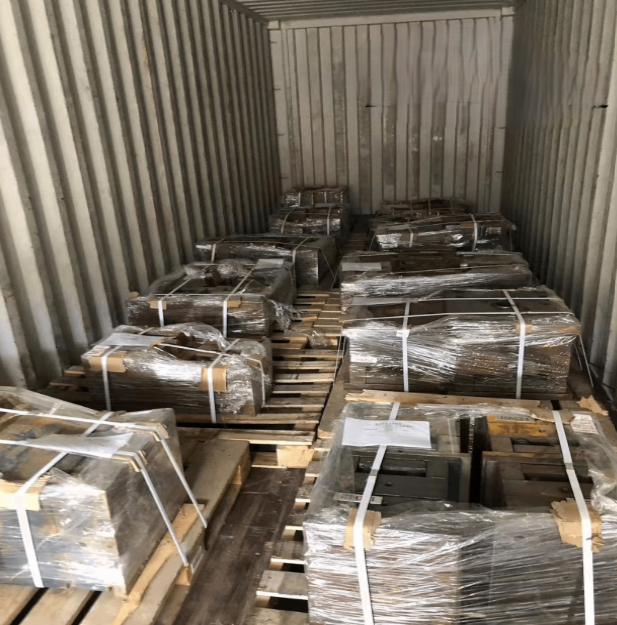
In summary, the recycling of retired port molds is a process that requires comprehensive consideration of resource reuse, environmental protection, and economic benefits. Liangji Recycling and Reuse Co., Ltd. achieves effective recycling and reuse of molds through scientific recycling methods and standardized operation procedures. Liangji Recycling and Reuse Co., Ltd. contributes to sustainable development.