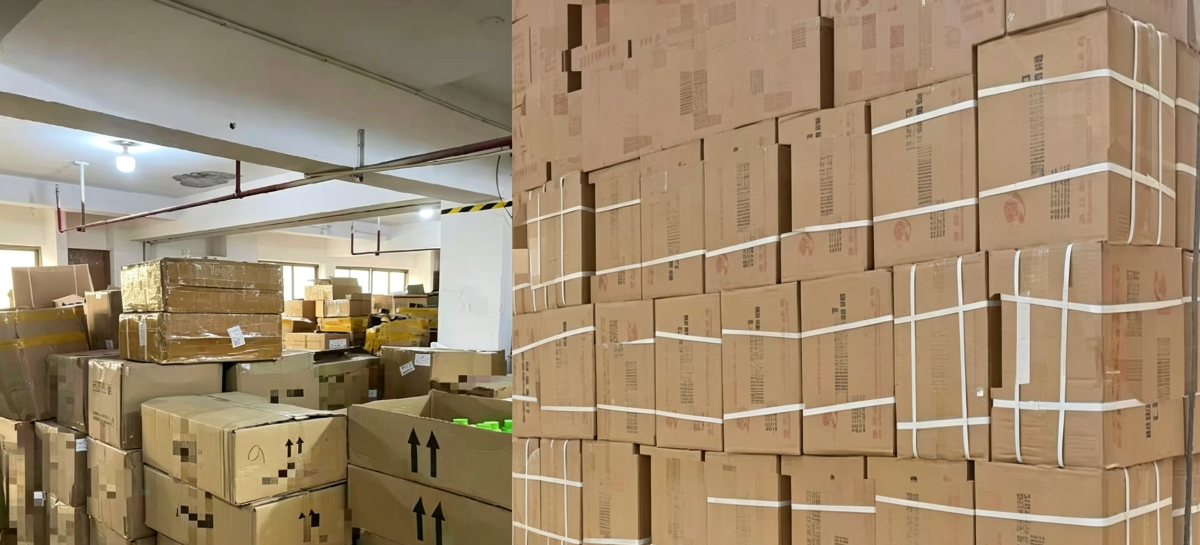
How to handle the inventory of Amazon's overseas e-commerce? The best solution for returning and recycling to the environment in Hong Kong.
In recent years, the cross-border e-commerce industry has developed rapidly. However, as the business scale expands, the problems of inventory accumulation and return handling have become increasingly prominent, imposing costs and compliance risks on many sellers and e-commerce enterprises. This article, based on the professional experience of Hong Kong's outbound and inbound environmental protection recycling, provides reference ideas for inventory handling for Amazon's overseas e-commerce sellers.
I. Industry Background and Challenges of Inventory Management
Although the FBA model on the Amazon platform provides sellers with convenient logistics services, it also brings about inventory management pressure. In September 2025, the Amazon US and Canadian sites adjusted their inventory handling rules. For unsold inventory that has not been actively set for handling, the system will automatically include it in the batch clearance plan. At the same time, all sellers on the US and Canadian sites are required to join the donation program. Unsold and returned inventory is prioritized for donation to charitable organizations, and only unsuitable inventory is considered for disposal. Sellers are responsible for the corresponding handling costs.
In this context, cross-border e-commerce sellers not only face the problem of capital occupation due to stock accumulation, but also have to deal with increasingly strict environmental compliance requirements. The EU WEEE directive requires that the recycling rate of electronic devices should be above 65%. Hong Kong also implemented license control for the import and export of electrical and electronic waste starting from January 1, 2025. All related waste imports and exports must obtain prior permission from the Environmental Protection Department. If enterprises lack a compliance handling channel, they may face risks such as fines and seizure of goods.
II. Hong Kong: The Ideal Hub for Cross-border E-commerce Returns and Recycling in Hong Kong
With its unique status as a free trade port and well-developed logistics infrastructure, Hong Kong has become an ideal transit hub for cross-border e-commerce returns and inventory handling. By 2025, the cross-border e-commerce return logistics in Hong Kong has developed a solution supported by "intelligent systems + full-chain services", with the return efficiency increased by approximately 40% and the overall cost reduced by about 25%.
The basic process of returning goods to Hong Kong usually involves: Sellers submit a return application through the platform, the system generates a return form and arranges logistics, sending the returned goods from the overseas warehouse or the customer's location back to the Hong Kong warehouse. The receiving party then conducts inspection and testing. After the goods arrive in Hong Kong, they will be classified and processed based on the condition of the goods: goods that can be resold will be re-entered into the market after being inspected and refurbished; goods that cannot be sold will be sent to the environmental recycling or compliant destruction process.
III. Core Advantages of Environmental Protection Recycling Processing
For the return handling of cross-border e-commerce inventory to the port, it is crucial to choose a recycling service provider with professional qualifications and standardized procedures. A reliable recycling service provider should possess the following capabilities:
Qualification Assurance and Compliance Operations
A standard environmental protection recycling enterprise should hold the "Waste Disposal License" issued by Hong Kong and pass the certification of an authoritative international management system to ensure that all operational processes comply with regulatory requirements, thereby fundamentally avoiding legal liability risks for the enterprise.
2. Specialized classification processing
Scientific classification and processing of recycled goods returned to the port cover all types of materials such as electronic waste, used hardware, cross-border e-commerce leftover goods, and bonded inventory. For goods that can be resold, operations such as data deletion, product testing, and classification refurbishment are carried out to enable the goods to re-enter the market circulation; for goods that cannot be resold, they are strictly subjected to environmental dismantling or destruction in accordance with international and Hong Kong environmental protection regulations, and compliant destruction certificates are provided.
3. Resource-based recycling and reuse
Take electronic waste as an example. Waste mobile phones, circuit boards and other materials contain extractable precious metals. Professional recycling and processing can achieve resource reuse, reducing the burden on the environment caused by landfilling and incineration, and at the same time fulfilling social responsibilities while lowering enterprise costs.
4. Data Security Assurance
For electronic products, enterprises dealing with data storage devices (such as hard drives, servers, etc.) need to pay special attention to data security issues. They should choose service providers with data security destruction capabilities and adopt irreversible destruction technologies like demagnetization and physical fragmentation to ensure that sensitive information is completely erased and to eliminate the risk of commercial secrets leakage.
5. Traceable disposal certificate
Professional recycling service providers should provide complete and traceable disposal documents, including destruction certificates, data security certificates, disposal lists, on-site video records, etc., to meet the needs of enterprise audits, internal controls, and compliance checks. These documents can also serve as the core vouchers for customs clearance and tax compliance.
IV. Suggestions for Handling Cross-border E-commerce Inventory
Overall, when dealing with inventory management issues, Amazon sellers can optimize their processes in the following ways:
Proactively plan the inventory management strategy. Keep a close eye on the platform's policy changes, and set up a reasonable inventory handling method based on the characteristics of your own products to avoid asset losses caused by default rules.
Establish a classification processing mechanism. For high-value goods, priority should be given to refurbishing, repairing, or reselling them after being returned to the port; for low-value and unsold goods, a comprehensive assessment can be conducted by combining the platform's clearance channels with the port return and recycling processes.
Select a recycling service provider with professional qualifications. During the process of returning goods to the port for recycling, it is essential to carefully evaluate the service provider's environmental protection license, international management system certification, the scale of the disposal site, and the standardization of the disposal process to ensure compliance, safety, and traceability.
Focus on ESG sustainable development responsibilities. Incorporate inventory management into the enterprise's ESG strategy. Reduce carbon emissions and environmental impact through compliant and environmentally friendly recycling, and enhance brand image and market competitiveness.
In response to the industry trend where Amazon's policies are becoming stricter and environmental regulations are constantly upgrading, cross-border e-commerce sellers need to establish a more scientific and flexible inventory management system. Recycling for environmental protection in Hong Kong, as a solution that balances compliance, economy, and sustainability, is gradually becoming an important choice in the industry. Leveraging Hong Kong's unique advantage as an international free trade hub, choosing a recycling service provider with professional qualifications and service capabilities enables enterprises to control costs while effectively avoiding compliance risks and achieving a healthy turnover of inventory assets.