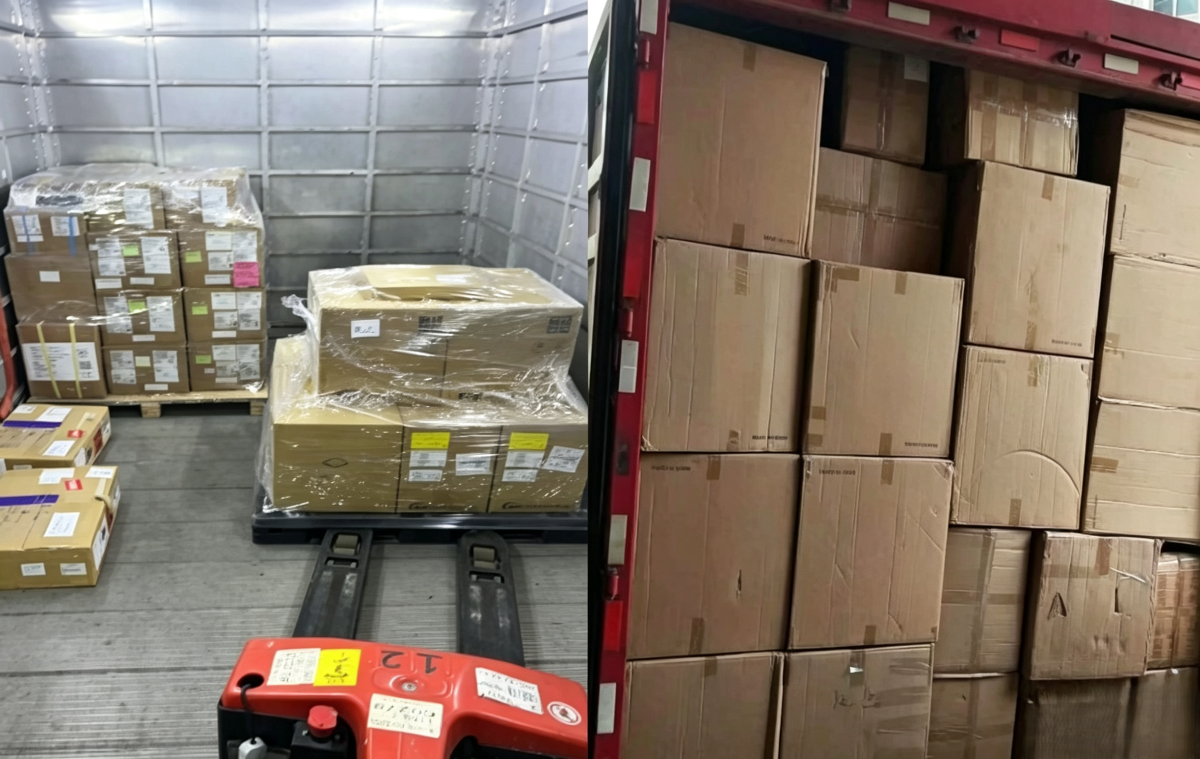
Methods for Receiving and Disposing of Unsold Inventory from Foreign Trade Enterprises in Hong Kong - A Complete Compliance Disposal Process
As an important cargo storage and transit hub in the foreign trade industry, Hong Kong, with its free port policies, efficient logistics and customs clearance advantages, has become the core choice for many foreign trade enterprises to store and stock goods. However, due to factors such as changes in market demand, cancellation of orders, product iterations, and adjustments in cross-border trade policies, a large number of foreign trade enterprises are facing the problem of unsold and piled-up goods in their Hong Kong warehouses. Unsold inventory not only continuously incurs storage costs and occupies the enterprise's working capital, but also may suffer from depreciation, deterioration, expiration and other problems over time. If not handled properly, it may also violate local regulatory and environmental protection regulations in Hong Kong.
This article focuses on the core points of recycling and handling of unsold inventory in foreign trade enterprises in Hong Kong, and outlines the compliant practical operation paths and precautions. It provides references for enterprises to achieve efficient cost reduction and standardized disposal.
1. Initial Inventory Count and Value Assessment
The first step in dealing with the unsold inventory in Hong Kong is to conduct a comprehensive and precise inventory count and value assessment, providing a basis for the selection of subsequent disposal methods and avoiding blind disposal that may cause additional losses.
The enterprise needs to collaborate with the Hong Kong warehouse provider to conduct a detailed count of the unsold goods, meticulously recording the core information such as the product category, specification, quantity, production date/ shelf life, appearance integrity, packaging integrity, etc. At the same time, based on the original value of the goods, the current market situation, and the remaining use value, the goods should be classified into four categories: those that can be sold again normally, those that can be refurbished and rectified, those that can be recycled, and those without disposal value that need to be destroyed.
In addition, it is necessary to calculate the comprehensive expenditures such as storage occupancy fees, capital occupation costs, and subsequent maintenance costs, clearly define the disposal core objectives (recovering funds, quickly clearing inventory, complying with environmental protection regulations, and revitalizing residual value), and formulate targeted disposal plans.
II. Legal Recycling Methods for Unsold Products in Hong Kong
Taking into account the local customs supervision, environmental protection policies and foreign trade operational norms in Hong Kong, for different types of unsold goods, the following compliant disposal paths can be selected:
(1) Batch resale distribution to recover working capital
For the unsold goods that are in good condition, have not expired and have no quality issues, priority should be given to clearing them out through resale channels. We can connect with wholesale distributors in emerging overseas markets such as Southeast Asia, Africa, and the Middle East to carry out cross-border bulk resale. We can also cooperate with local discount merchants in Hong Kong, offline supermarkets, and cross-border clearance platforms to achieve rapid elimination of fast-moving consumer goods, daily necessities, and household items, minimizing capital accumulation to the greatest extent.
(2) Renovation and improvement of goods to enhance their resale value
For goods with damaged packaging and minor flaws but whose core functions/quality are not affected, simple renovations, such as repackaging, re-labeling, etc., can be carried out locally in Hong Kong. Goods that meet the circulation standards after the renovations can be reintroduced to the sales channels, avoiding the loss of value caused by direct low-price disposal or destruction. For special categories (such as 3C products, cosmetics, food, etc.), the renovations must comply with Hong Kong's product quality standards and strict adherence to regulations is required; any unauthorized modifications are strictly prohibited.
(3) Comply with regulations for returning goods to the mainland and expand domestic sales channels
Products that meet the domestic import standards and have domestic sales channels, and are unsold, can, in accordance with customs supervision requirements, go through the procedures for export from Hong Kong and import into the mainland for return. The goods can then be transported back to the mainland. Through the export-to-internationally-distributed model, relying on domestic e-commerce platforms and offline stores to complete sales, or as samples or welfare supplies for internal allocation within the enterprise, it is necessary to calculate the logistics and customs clearance costs for the return process in advance to ensure that the disposal is economically viable.
(4) Professional resource recycling to achieve circular utilization
Goods such as plastics, metals, textiles, and 3C electronic products that cannot be resold and have no refurbishing value can be handed over to qualified institutions in Hong Kong for classification disassembly and resource recovery. They can extract reusable raw materials, which not only complies with Hong Kong's environmental control requirements but also enables the acquisition of certain residual value income, effectively preventing environmental pollution caused by random disposal.
(5) Harmless environmental destruction to avoid compliance risks
Expired, severely damaged, goods involving brand infringement, and those with potential safety hazards are strictly prohibited from being discarded or disposed of illegally. They must be entrusted to a legitimate environmental disposal agency in Hong Kong. The destruction should be carried out through methods such as crushing, degradation, and harmless treatment. Throughout the process, disposal records should be kept and a formal destruction certificate obtained. The storage and customs inventory verification should be completed to ensure full compliance with Hong Kong's environmental protection and regulatory regulations.
III. Key Considerations for Disposing of Unsold Inventory in Hong Kong
Strict compliance with regulations: The Hong Kong customs supervision, environmental protection control, and regulations regarding goods circulation are highly stringent. In the processes of return, recycling, and destruction, complete procedures must be followed and all relevant documents must be retained to avoid the risk of penalties and legal accountability for any improper disposal.
2. Balance cost and benefit: Calculate in advance the logistics, labor, customs clearance and disposal costs for various disposal methods. Opt for the option with lower costs and higher residual value to avoid the disposal cost exceeding the remaining value of the goods.
3. Enhance disposal efficiency: The longer the unsold goods remain in stock, the higher the losses and costs will be. Once it is confirmed that the inventory is unsalable, the disposal process should be initiated as soon as possible to free up storage space and working capital.
4. Source-side optimization of prevention and control: After the disposal is completed, review the reasons for the unsold products, optimize the inventory preparation plan, market prediction and order management, and reduce the generation of unsold inventory at the procurement, warehousing and sales stages.
The core of disposing of unsold inventory in Hong Kong for foreign trade enterprises lies in adhering to compliance first, conducting precise assessment, and achieving efficient cost reduction. Based on the actual situation of the goods, an appropriate method should be selected to not only solve the problem of inventory accumulation but also ensure the enterprise's operation is in line with regulations, and achieve a virtuous cycle in the supply chain and capital chain.
Mainland phone: 13049844111
Email address: 13049844111@163.com
Hong Kong phone: 852-52664790. Liangji Recycling Co., Ltd. looks forward to your call and is eager to jointly embark on a new chapter where environmental protection and value coexist!
The "Liangji" recycling system has obtained certifications through international standards such as quality management (ISO 9001), environmental management (ISO 14001), and information security management (ISO 27001). It is safe, formal, and professional - we look forward to your call and are eager to jointly embark on a new chapter where environmental protection and value coexist!