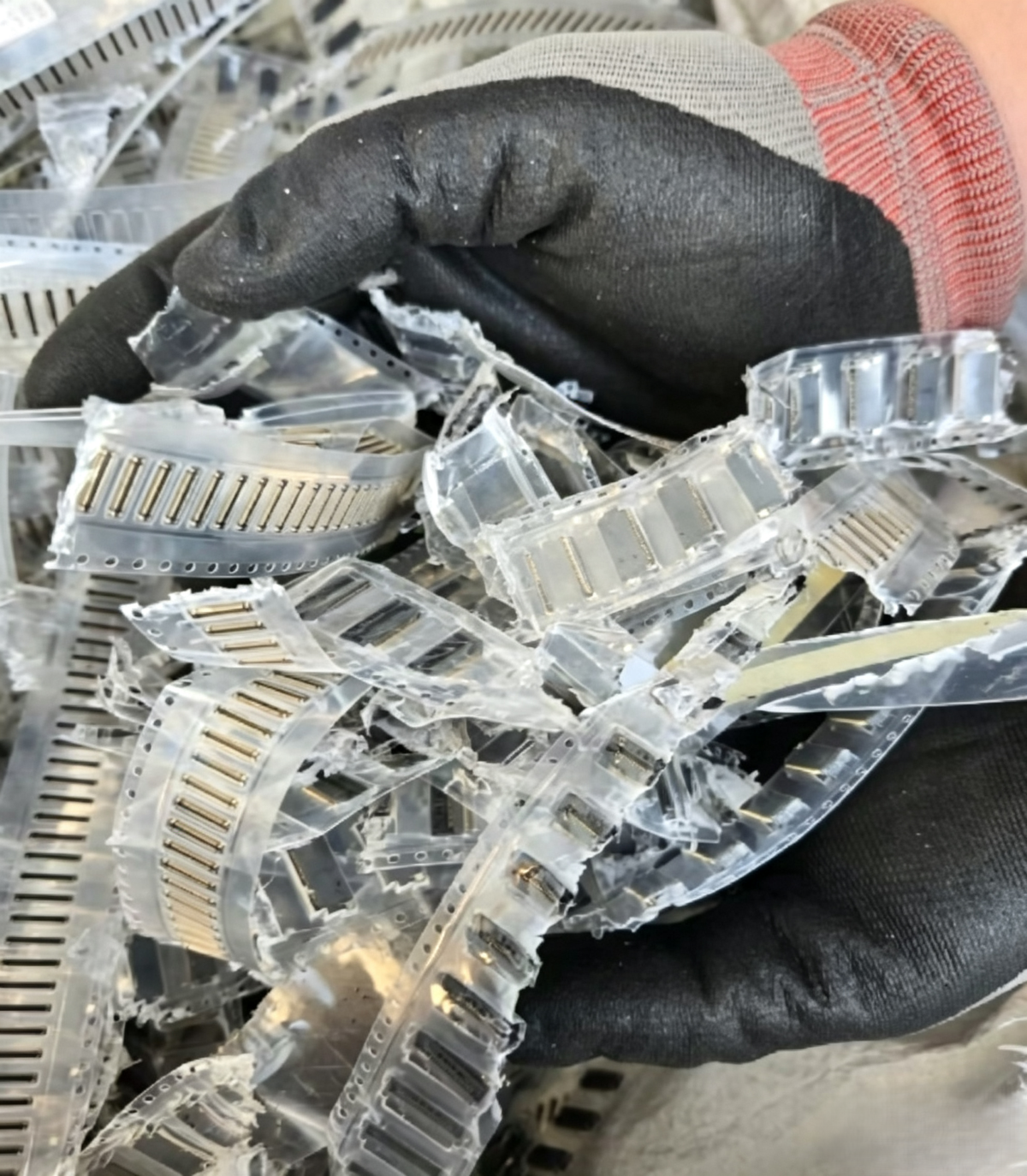
Environmentally Friendly Disposal Solution for Returned Equipment
In the context of globalization and product upgrades in the electronics manufacturing industry, the compliant and environmentally friendly disposal of returned equipment has become a crucial link in ensuring the green development of the industrial chain and ecological security. This solution outlines a scientific and standardized operating procedure for the entire process of returned equipment, from receipt and classification to destruction and disposal, ensuring compliance with Hong Kong and mainland environmental regulations and achieving the disposal goals of "reduction, harmlessness, and resource recovery."
I. Scope of Application and Implementation Principles
This solution applies to the disposal of various types of returned electronic equipment and accessories, covering scrapped production equipment, defective test products, and expired inventory. The core implementation principles include compliance, environmental protection, and traceability. Compliance requires full adherence to regulations such as the *Hong Kong Waste Disposal Ordinance* and the *Law of the People's Republic of China on the Prevention and Control of Environmental Pollution by Solid Waste*, and all operational steps require corresponding qualifications and permits. Environmental protection requires prioritizing green disposal processes to minimize the generation and emission of waste gas, wastewater, and waste residue. Traceability requires establishing a full-process ledger to record information on the equipment from its arrival at the factory to its completion of disposal.
II. Full-Process Processing Operation Standards
(I) Receiving and Classification Storage
After the returned equipment arrives at the disposal center, it must be unpacked, inspected, registered, and classified for storage. Staff must verify the equipment list against the actual equipment's model, quantity, and specifications, and register information such as the equipment's owner, reason for return, and hazardous material composition, creating both electronic and paper ledgers. The equipment is then classified into three categories based on type and material: 1) electronic equipment containing precious metals and circuit boards; 2) non-core components containing plastic or metal casings; and 3) components containing hazardous waste such as batteries and fluorescent screens. The classified equipment must be stored in the corresponding storage area. Hazardous components must be stored separately in a leak-proof and anti-static warehouse to prevent leaks or fire hazards.
(II) Pre-treatment Dismantling
Pre-treatment dismantling is a crucial preliminary step in achieving environmentally friendly disposal. Its purpose is to separate recyclable resources from hazardous waste in the equipment. Dismantling operations must be carried out in a closed workshop equipped with dust collection and exhaust gas purification devices. Workers must wear specialized protective equipment and dismantle the equipment into individual components such as circuit boards, metal parts, plastic parts, and batteries using a combination of manual and mechanically assisted dismantling methods. Hazardous components such as lithium batteries and nickel-cadmium batteries must be individually packaged and transferred to an organization with hazardous waste treatment qualifications for disposal. Circuit boards can be sent to a precious metal recycling workshop for resource utilization. Metal and plastic components are sorted and collected in preparation for subsequent destruction processes. Oil stains and debris generated during dismantling must be collected promptly and treated to render them harmless; indiscriminate disposal is strictly prohibited.
(III) Environmentally Friendly Destruction Processes
Different destruction processes must be adopted for different types of materials to ensure thorough destruction and environmental friendliness.
1. Physical Destruction Process: Applicable to materials such as plastic shells and metal components. Through crushing, rolling, and shearing, the materials are processed into irreversible fine particles. Crushed metal particles can be sent to a smelter for recycling, while plastic particles can be used as fuel for co-processing or sent to an environmentally friendly landfill.
2. High-Temperature Incineration Process: Suitable for organic waste with no recycling value, this process must be carried out in a specialized incinerator. The incinerator must be equipped with a waste heat recovery and flue gas purification system to ensure that the incineration temperature reaches above 1100℃, allowing for complete combustion of the waste. Simultaneously, the generated flue gas undergoes desulfurization, denitrification, and dust removal treatment, and the exhaust emissions must comply with national and Hong Kong emission standards. The slag after incineration can be used for roadbed materials or landfill disposal, while fly ash must be treated separately as hazardous waste.
3. Chemical Destruction Process: Suitable for certain special electronic components, this process decomposes materials into harmless compounds through chemical digestion. This process must be carried out in a closed reactor, with strict control of reaction conditions. The waste liquid after digestion must undergo multiple treatment processes, including neutralization, sedimentation, and filtration, before being discharged or reused after meeting standards. The waste residue is disposed of according to hazardous waste standards.
(IV) End-of-Life Disposal and Record Keeping
After the destruction process is completed, the remaining materials must undergo final disposal. Recyclable metal and plastic granules must be transferred to recycling companies; hazardous waste must be transported to designated disposal facilities in strict accordance with the hazardous waste transfer manifest system; harmless residues can be sent to compliant landfills. Simultaneously, a complete record of the entire process must be compiled, including equipment receiving lists, dismantling records, destruction process parameters, emission monitoring reports, material transfer manifests, etc., and archived for at least 5 years for inspection by regulatory authorities.
III. Quality and Environmental Control Measures
1. Personnel Control: Regularly train operators on environmental regulations, operating procedures, and safety protection, and only allow them to work after passing the assessment.
2. Equipment Control: Regularly maintain and test the dismantling equipment, destruction equipment, and environmental treatment equipment to ensure stable operation.
3. Monitoring and Control: Install real-time monitoring equipment at the destruction workshop, exhaust gas outlets, and wastewater outlets to monitor dust concentration, exhaust gas composition, and water quality indicators 24 hours a day. Immediately shut down and rectify any exceeding of standards.
IV. Conclusion
The environmentally friendly disposal of decommissioned equipment is a systematic project. It requires scientific classification and dismantling, green disposal processes, and strict process control to achieve a balance between environmental and social benefits. Relevant enterprises need to strengthen their sense of responsibility, strictly implement the operational guidelines of this plan, and actively introduce advanced disposal technologies and equipment to promote the standardization and environmental protection of the decommissioned equipment disposal industry.
Mainland China Phone: 13049844111
Email Address: 13049844111@163.com
Hong Kong Phone: 852-52664790. Liang Kee Recycling Limited looks forward to your call to jointly open a new chapter of environmental protection and value!
Liang Kee Recycling has passed international standard certifications such as Quality Management (ISO 9001), Environmental Management (ISO 14001), and Information Security Management (ISO 27001). Safe, legitimate, and professional – we look forward to your call to jointly open a new chapter of environmental protection and value!