Turning Waste into Treasure: The Core Recyclable Objects and Deep Recyclable Significance of Scrap Materials
In the industrial production fields such as metallurgy and casting, scrap materials, as the "intermediate waste" generated during the production process, are not worthless废弃物, but rather resource carriers with multiple utilization potentials. Scientifically defining their recyclable objects and clarifying their recycling value can not only reduce production costs but also contribute to the green transformation of the industry. The following will provide a detailed analysis from the perspectives of core recyclable objects and deep recycling significance.
I. Core Recyclable Objects of Scrap Materials
The recyclable objects of scrap materials revolve around the reusable materials generated during the production process. According to material type, form, and application scenarios, they can be divided into three categories, covering major metallurgical fields such as steel and non-ferrous metals:
(1) Metal Scrap Materials
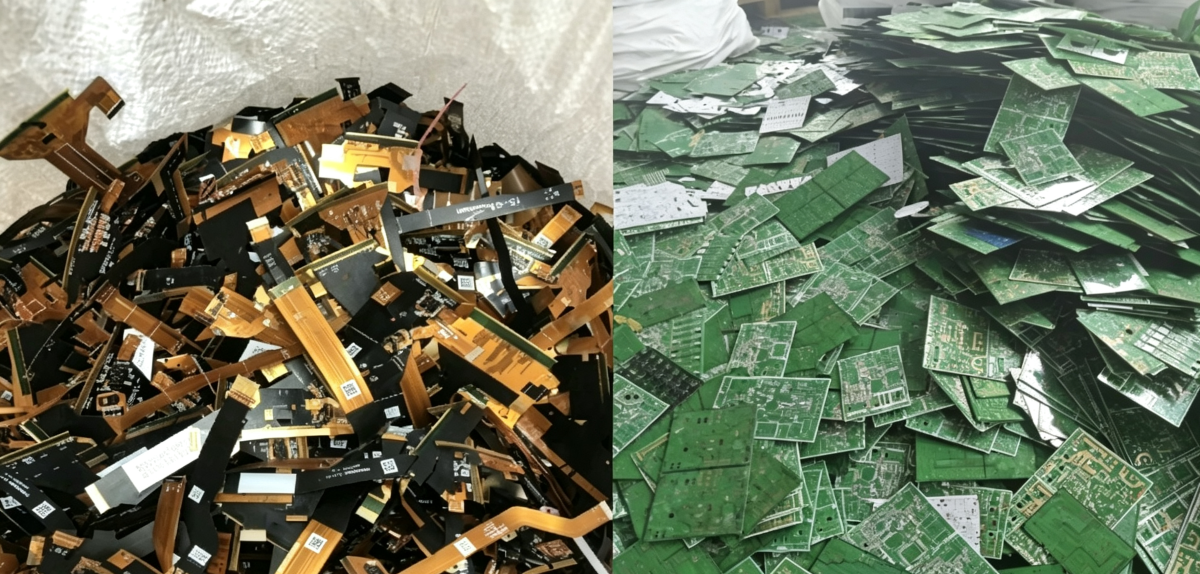
This category has the highest recycling value and the widest application range. The core includes metal waste, edge and corner materials, and defective products generated during production. For example, steel slag containing iron in the steel production process, waste steel cut-offs, and risers and gates; non-ferrous metal smelting waste such as scrap copper, scrap aluminum edge and corner materials, and alloy waste. The core feature of these materials is high metal content and relatively stable composition. After pre-treatment such as sorting, crushing, and purification, they can be directly used as raw materials for re-smelting in the furnace, replacing some primary ores. Additionally, waste metal components from equipment maintenance and replacement, and scrapped metallurgical tools, also fall under the category of metal scrap materials for recycling. The metal components can be re-entered into the production cycle through professional processing.
(2) Non-metal Auxiliary Scrap Materials
Although these materials do not contain metal components, they have reuse or regenerative utilization value as auxiliary materials in the metallurgical process. They mainly include refractory material waste and solvent waste. Refractory material waste such as used refractory bricks and residual refractory castings, after screening and crushing, can be used as ingredients in new refractory material production to reduce raw material consumption; solvent waste such as lime residue and fluorite residue used in the metallurgical process, can be partially recycled for furnace slag adjustment or used as building materials for cross-utilization.
(3) Composite Scrap Materials
These materials are composed of metal and non-metal components and need to be separated and recycled separately. Typical examples include used metallurgical equipment components (such as refractory sleeves with metal cores) and abandoned furnace linings (a composite body of metal framework and refractory material). During the recycling process, different components need to be separated through mechanical disassembly. The metal part is re-smelted in the furnace, while the non-metal part is used for the production of recycled refractory materials or building materials based on the material characteristics, achieving maximum resource utilization.
II. Deep Significance of Scrap Materials Recycling
Scrap materials recycling is not merely "waste utilization", but a resource optimization measure throughout the industrial production chain. Its significance lies in three dimensions: economy, environment, and industrial development:
(1) Reduce production costs and enhance industrial competitiveness
The costs of primary ore mining, beneficiation, transportation, etc. are high and are greatly affected by fluctuations in mineral resource prices. Scrap materials, as "secondary raw materials", have lower recycling costs than primary ores, and some materials can be directly used in the furnace for re-smelting, reducing energy consumption and auxiliary material consumption during the smelting process. For metallurgical and casting enterprises, large-scale recycling of scrap materials can effectively reduce raw material procurement costs, enhance product price competitiveness, especially during periods of rising resource prices, significantly strengthening the enterprise's risk resistance capacity.
(2) Save natural resources and reduce environmental load
The metallurgical industry is a key area of resource consumption and pollutant emissions. Primary ore mining causes surface damage, vegetation degradation, etc., and the smelting process generates a large amount of waste gas, wastewater, and waste residue. Scrap materials recycling can reduce reliance on primary mineral resources, for every 1 ton of scrap steel, 1.7 tons of iron ore, 0.6 tons of coke can be saved, and approximately 2.6 tons of carbon dioxide emissions can be reduced. Furthermore, the rational recycling and utilization of scrap materials can also reduce the amount of industrial solid waste and minimize the pollution of solid waste to the soil and water bodies, thereby contributing to the realization of the "carbon neutrality" goal.
(III) Improve the industrial circular system and promote green transformation
The recycling of scrap materials is an important part of the industrial circular economy. Its efficient utilization can promote the formation of a closed-loop model in the metallurgical industry, "production - waste - recycling - re-production". By establishing a standardized system for the recycling, sorting and processing of scrap materials, enterprises can optimize their production processes, reduce waste generation, and at the same time drive the development of the recycling resource processing industry, creating new economic growth points. Moreover, the innovation and promotion of recycling and utilization technologies can also force the industry to improve resource utilization efficiency and transform the metallurgical industry from a "resource-consuming" type to a "resource-circulating" type, conforming to the trend of green industrial development.
Mainland phone: 13049844111
Email address: 13049844111@163.com
Hong Kong phone: 852-52664790, Liangji Recycling and Reuse Co., Ltd. Looking forward to your call, let's jointly embark on a new chapter where environmental protection and value coexist!
Liangji Recycling and Reuse has obtained international standard certifications such as quality management (ISO 9001), environmental management (ISO 14001), and information security management (ISO 27001). It is safe, formal, and professional - looking forward to your call, let's jointly embark on a new chapter where environmental protection and value coexist!