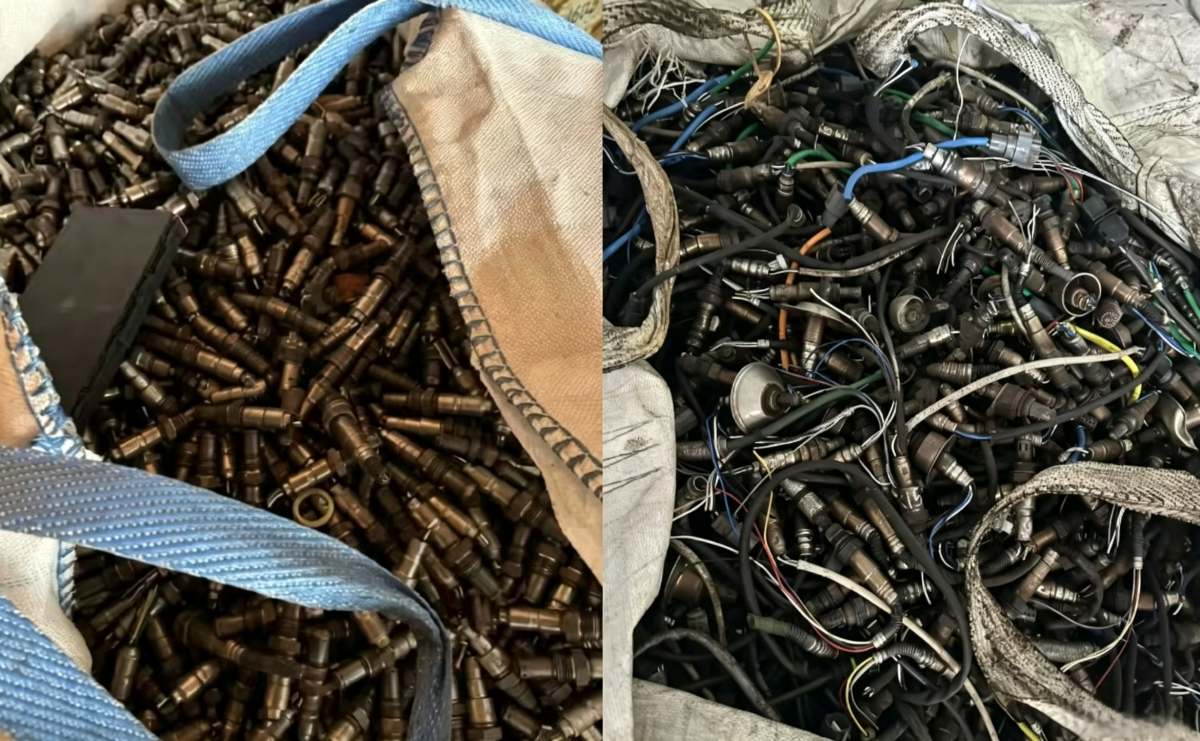
The value dimension and rational judgment of automotive sensor recycling in Hong Kong
With the acceleration of automotive intelligence and the increasingly frequent cross-border circulation, automotive sensors that are sent to Hong Kong for recycling are becoming an issue in the field of circular economy that is both complex and has potential value. As the core sensing components of automotive electronic systems, these sensors carry multiple connections with resources, the environment, and the industry. The evaluation of their recycling value needs to break through the single economic dimension and construct a multi-dimensional rational cognitive framework.
The resource regeneration value is the core foundation of automotive sensor recycling in Hong Kong. Modern automotive sensors integrate a wealth of high-value materials, from gold-plated contacts, copper wires, etc., to rare metal oxides such as manganese, cobalt, and nickel, as well as ceramic sensitive components and high-temperature-resistant packaging materials, all of which have significant regeneration potential. Data shows that through non-leaching processes and high-temperature smelting technology, 99.9% purity of precious metals can be extracted from scrapped sensors, with a resource density even higher than some primary ores. Hong Kong, leveraging its free port logistics and settlement advantages, can efficiently connect with international precious metal recycling markets, achieving cross-regional optimization of resources and alleviating the environmental pressure of global primary mineral mining. At the same time, some performance-qualified automotive-grade sensors (such as ABS system sensors, pressure sensors) can be re-used as low-end equipment spare parts or teaching experimental equipment after professional calibration and testing, with a value of 20%-40% of the new product, forming a closed-loop of resource cascading utilization.
Environmental compliance value constitutes the necessary prerequisite for the recycling process. Components such as lead solder and harmful plastics in automotive sensors, if not properly treated, may pollute the soil and atmosphere through landfill leaching, incineration volatilization, etc. Hong Kong's mature environmental regulatory system provides institutional guarantees for risk prevention. According to the "Waste Disposal Ordinance" and related regulations, electronic waste sent to Hong Kong needs to be collected and classified by licensed institutions, and its dismantling process requires complete exhaust absorption and wastewater treatment systems to avoid secondary pollution from acid fumes and waste liquids. This compliant processing model not only avoids environmental hazards from illegal dismantling but also aligns with global RoHS and other environmental standards for electronic waste, setting an environmental bottom line for cross-border recycling. Compared to random disposal or rough processing, standardized recycling can achieve an above 90% harmless rate of harmful substances in sensors, while reducing about 70% of the demand for primary materials, achieving quantitative improvement in ecological benefits.
The industrial synergy value injects long-term potential into the recycling process. Currently, the global sensor market is continuously expanding, with the forecast to exceed 100 billion US dollars by 2025. The acceleration of technological iteration has given rise to a large amount of scrap and obsolete demand. The recycling of sensors sent to Hong Kong not only provides low-cost recycled raw materials for the electronics industry, alleviating the supply chain pressure in the context of chip shortages, but also promotes the innovation and upgrading of recycling technologies. Hong Kong, as an international technological innovation hub, can attract cross-border technological cooperation, promote the application of advanced technologies such as automated dismantling equipment and AI-assisted performance detection, and reduce the complexity and loss rate of the disassembly of micro-sensors (such as MEMS devices). This technology spillover effect will reverse-empower the automotive aftermarket, build a "recycling - regeneration - re-manufacturing" industrial closed-loop, and improve the resource utilization efficiency of the entire industry chain.
While acknowledging the value of recycling, it is also necessary to recognize the practical challenges it faces, which constitute an important supplement to the value judgment. The multi-layered integration structure of sensors makes disassembly difficult, and traditional manual disassembly is prone to damaging core components. The single-unit investment cost of automated equipment often exceeds 500,000 yuan, raising the threshold of recycling. In addition, some sensors sent to Hong Kong involve user privacy data, which need to be processed through physical pulverization or encryption erasure, further increasing the complexity and cost of the recycling process. At the same time, the market competition between illegal recycling and compliant recycling also poses a challenge to the standardized development of the industry, and it is necessary to form a virtuous ecosystem through strengthened supervision and industry self-discipline.
The recycling value of retired port vehicles is essentially the organic unity of resource value, environmental protection value and industrial value.
Mainland China Phone: 13049844111
Email: 13049844111@163.com
Hong Kong Phone: 852-52664790. Liang Kee Recycling Limited looks forward to your call to jointly usher in a new chapter of environmental protection and value!
Liang Kee Recycling has passed international standard certifications such as Quality Management (ISO 9001), Environmental Management (ISO 14001), and Information Security Management (ISO 27001). Safe, legitimate, and professional – we look forward to your call to jointly usher in a new chapter of environmental protection and value!